



連続亜鉛めっきプロセス
/In the intricate symphony of metallurgical processing, where the goal is to sculpt raw metal into a material with precisely defined properties, the temper mill performs a crucial final movement. This process is not about brute force reduction but about nuanced adjustment, a delicate interplay of mechanics that imparts the final mechanical signature to cold-rolled sheet metal. Two of the most critical properties governed by this process are yield strength and ductility. These characteristics, often existing in a trade-off relationship, are expertly balanced through the temper rolling mill 's operation. By applying a carefully calibrated soft press , the mill induces a minimal yet transformative elongation, triggering a complex realignment of the metal's crystalline structure that ultimately allows for the fine-tuning of its fundamental mechanical behavior for specific applications. Temper Mill: Understanding Work Hardening and the Need for Tempering After the significant cold reduction in a primary cold rolling mill, the strip possesses a microstructure laden with dislocations—linear defects in the atomic lattice. These dislocations are tangled and pinned against each other, a state known as work hardening. This condition results in high strength but severely limited ductility and a pronounced yield point elongation (YPEL). A material with YPEL will deform unevenly, forming unsightly and mechanically inferior Lüders lines or stretcher strains upon initial forming. For most deep-drawing, stamping, or forming applications, this is unacceptable. The material must yield uniformly and predictably. The primary purpose of the temper rolling mill is to eradicate this phenomenon and, in doing so, establish a new, precisely controlled balance between strength and ductility. It is the final, critical step in transitioning a hardened, brittle strip into a formable, robust product ready for the manufacturing floor. The Mechanism of the "Soft Press": A Delicate Intervention The term soft press perfectly encapsulates the essence of the temper milling process. Unlike the high-reduction passes of a primary mill, the temper rolling mill is designed to impart a very slight elongation, typically between 0.5% and 4%. This is the heart of the soft rolling methodology. The mill achieves this through a sophisticated combination of precisely controlled roll force and massive strip tensions. As the strip passes through the roll bite of a 650 temper mill or a more powerful 700 temper mill , it undergoes a highly controlled plastic deformation. This minimal elongation is sufficient to mobilize dislocations within the crystal structure. Imagine the dislocations as a tangled knot of ropes. The soft press does not attempt to add more knots; instead, it gives the ropes a gentle, unified pull. This pull straightens some dislocations, moves others past obstacles, and generally creates a more organized, lower-energy configuration. The yield point elongation is eliminated because this new structure requires a higher stress to initiate fresh dislocation movement than to continue it, leading to smooth, continuous yielding. The existing dislocations are now arranged to allow for more uniform deformation, thereby increasing usable ductility. Meanwhile, the base strength level, established by the prior cold work, remains largely intact, slightly modified by this reorganization. Fine-Tuning Mechanical Properties: The Art of the Soft Rolling Mill The true artistry of the temper mill lies in its ability to act as a dial for mechanical properties. The operator, guided by metallurgical specifications, can fine-tune the outcome by adjusting the key parameters of the soft rolling process. The most significant variable is the applied elongation. A very light elongation, perhaps at the lower end of the 0.5-2% range, will effectively eliminate YPEL and slightly reduce the yield strength while giving a modest boost to ductility. This is often ideal for materials destined for severe deep-drawing operations where maximum formability is required. Conversely, a higher elongation, moving toward 3-4%, will result in a higher yield strength. This is because the additional deformation introduces a new, albeit smaller, wave of work hardening on top of the pre-existing structure. The ductility gained from eliminating YPEL is thus balanced against the ductility lost from this additional hardening. The soft rolling mill becomes a instrument of compromise, allowing engineers to dial in a specific yield strength-ductility combination that is perfectly suited for the final application, whether it requires the high formability of an automotive fender or the rigid stiffness of a appliance cabinet. The design of the mill itself plays a role in this fine-tuning. A 700 temper mill , with its higher roll force capacity, can process higher strength materials or achieve a specific elongation profile under higher tensions, offering greater control and stability for advanced high-strength steels (AHSS). The surface finish of the work rolls and the use of rolling oils also influence the friction and slip in the roll bite, which can have a minor but non-negligible effect on the consistency of the deformation imparted, and thus on the uniformity of the resulting mechanical properties across the coil. The Synergy of Tension and Reduction in a Temper Rolling Mill It is impossible to overstate the synergistic role of tension in this process. In a modern temper rolling mill , the bridle rolls before and after the stand apply massive tensions to the strip. This tension does most of the "pulling," while the rolls primarily serve to generate a localized soft press that initiates the plastic deformation. This combination is what makes the process so controllable. The tension ensures the elongation is applied uniformly along the length of the strip, preventing skidding or inconsistent working. This uniform application is critical for achieving consistent mechanical properties from the head to the tail of the coil. Without this precise tension control, the fine-tuning effect would be erratic, and the strip would exhibit property variations that would render it unsuitable for high-volume automated stamping processes. The temper mill is far more than a simple flattener or a machine to impart a metallic luster. It is a precision metallurgical instrument whose function is best described as mechanical annealing. Through the scientifically applied soft press of the soft rolling process, it performs a delicate act of microstructural engineering. It reorganizes a chaotic dislocation network into a more ordered state, thereby eradicating the problematic yield point elongation and unlocking the ductility that was suppressed by previous cold working. By carefully adjusting the parameters on a 650 temper mill or a 700 temper mill , operators can precisely navigate the strength-ductility continuum, producing a tailored material that meets exact customer specifications. In the end, the temper mill’s fine-tuning effect is what transforms a generic rolled coil into a high-performance engineering material, ready to be shaped into the complex and reliable products that define modern industry.

We have successfully executed over 500
projects around the world,
many first-of-their-kind
research projects and products in China, including
We have successfully executed over 500
projects around the world,
many first-of-their-kind
research projects and products in China, including
-
2004
The 1st hydraulic AGC system for hot rolling of ribbon steel
-
2006
The 1st AFC system used for 1450mm skin pass mill
-
2009
The 1st 5-stand tandem line with 2-stand POR & Uncoiler for 650mm ribbon steel
-
2012
The 1st reversing mill for 1380mm strip
-
2016
The 1st soft-rolling system used in skin pass mill
-
2019
The 1st fully automated medium-width tandem cold rolling mill
-
2021
The 1st 5000KN Twin-stand double skin pass mill
-
2022
The 1st coupled pickling line & tandem cold mill with two modes - big roller & small roller
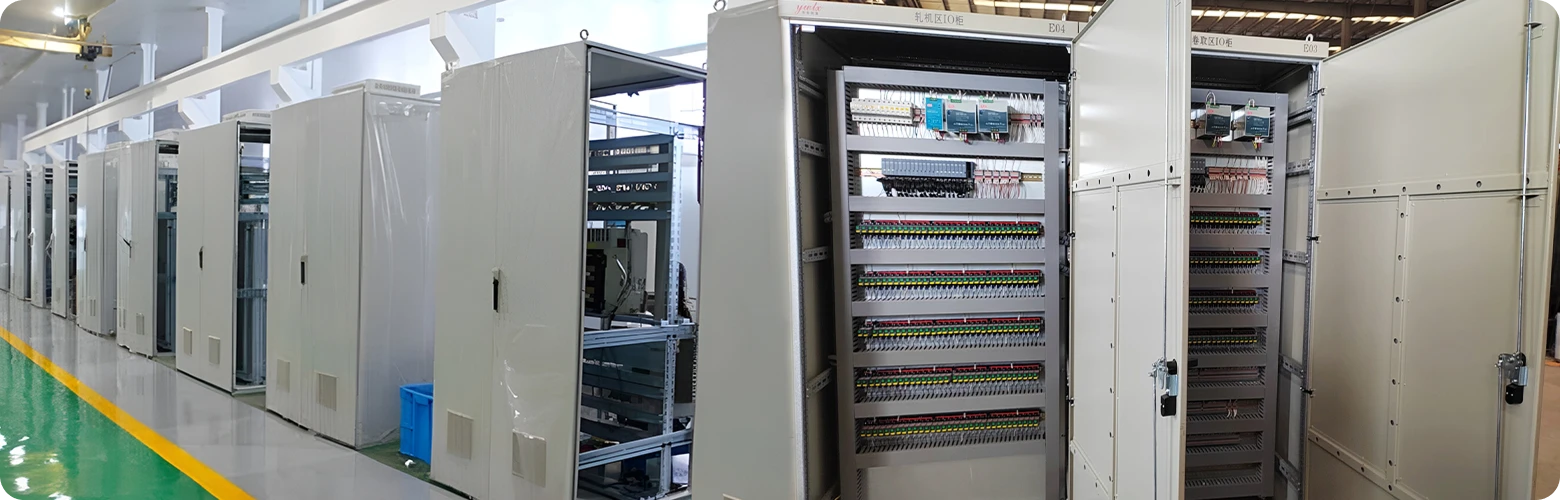
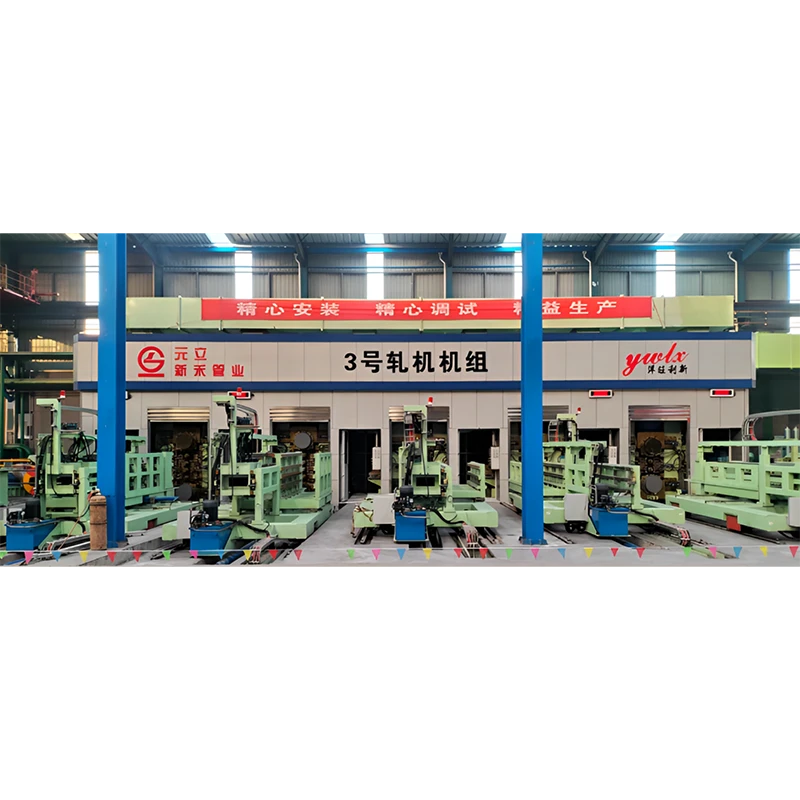
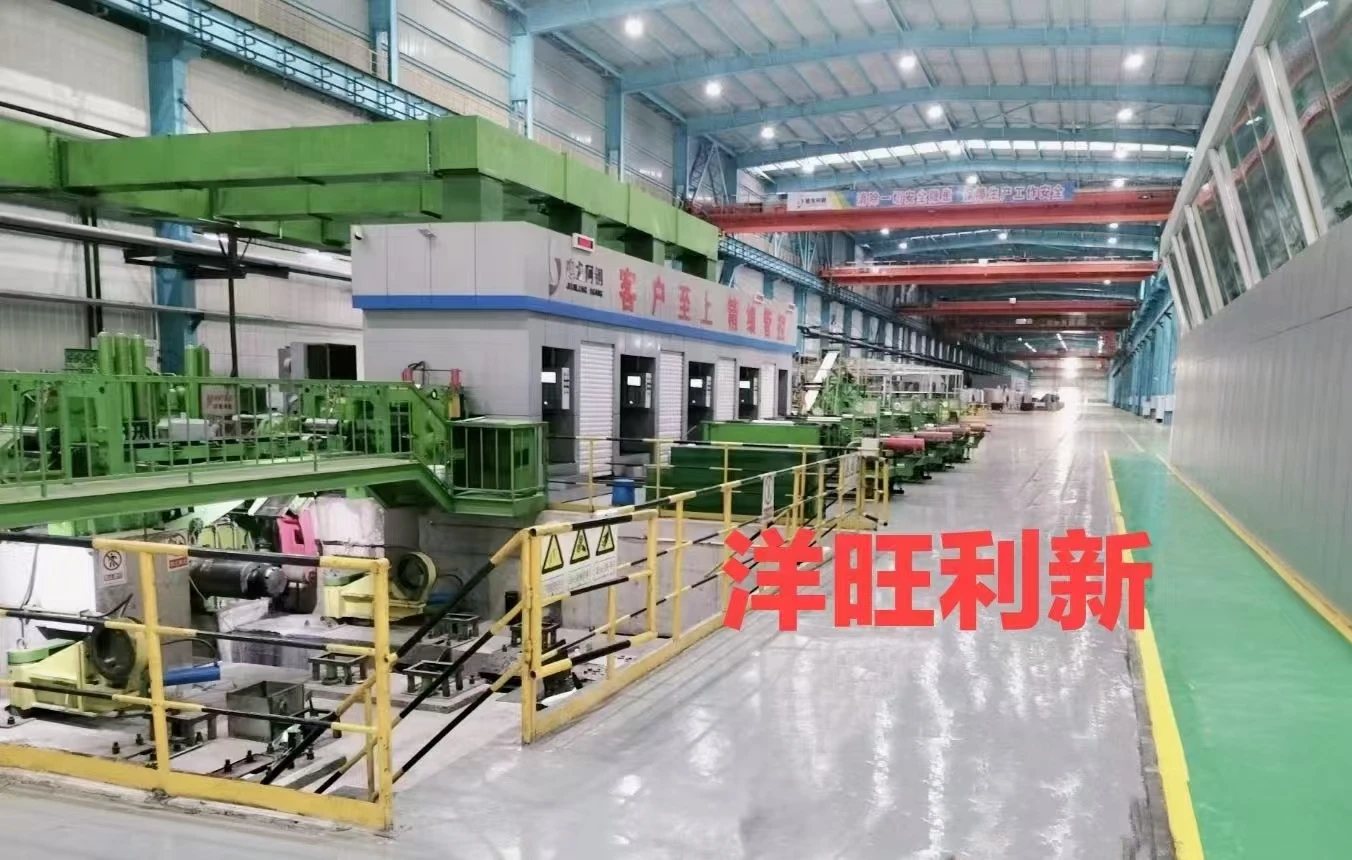
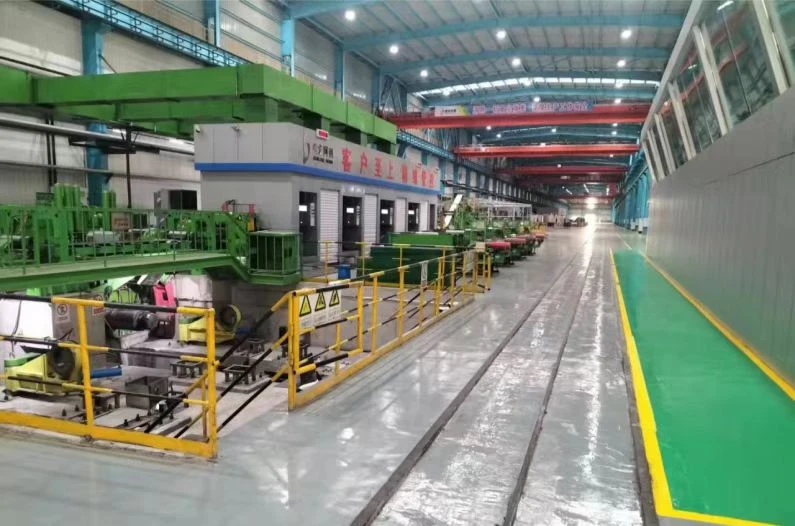
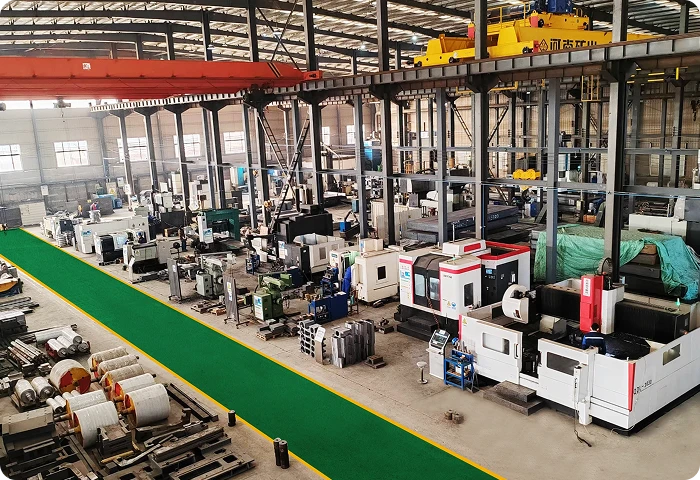
Yang Wang Li Xin operates a state-of-the-art facility over 66,000 square meters,and our manufacturing facility is fully equipped with high-tech machinery and high-capacity cranes. This enables us to handle large work pieces measuring 4.5m in width, 10m in length, and 1.5m in height, guaranteeing our capacity to produce 1800mm skin-pass mills and 1450mm rolling mills. The individual piece can weigh up to 100 tons.

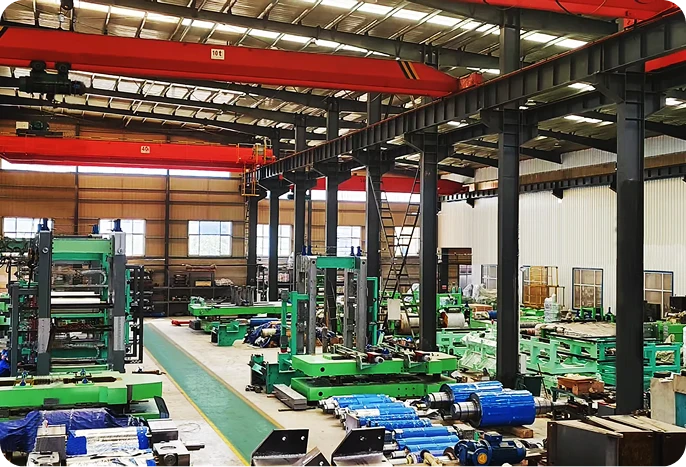

Quality is fundamental to the enterprise survival. We have established a comprehensive and meticulous quality management system and have successfully obtained ISO14000 certification. Starting from the design source, it supervises the entire production cycle, including design, procurement, processing, assembly, in-factory testing, installation, and online commissioning. The workshop is equipped with measuring tools like vernier calipers, spectrometers, hardness testers, and ultrasonic flaw detectors. They are used to check materials and control tolerances to ensure the final equipment meets or exceeds requirements. All products have a unique code, This enables the easy identification and traceability of the equipment components and ensures full control of quality.


-
 Web Tension Control: The Physics of AnticipationIn the high-stakes world of metal rolling, where microns define the line between success and failure, lies a silent dance of immense forces and intelligent anticipation. This is the art of controlling a moving strip of metal—a "web"—preemptively correcting flaws before they manifest. At the heart of this precision manufacturing are sophisticated web tension control systems and the core intelligenc
 -
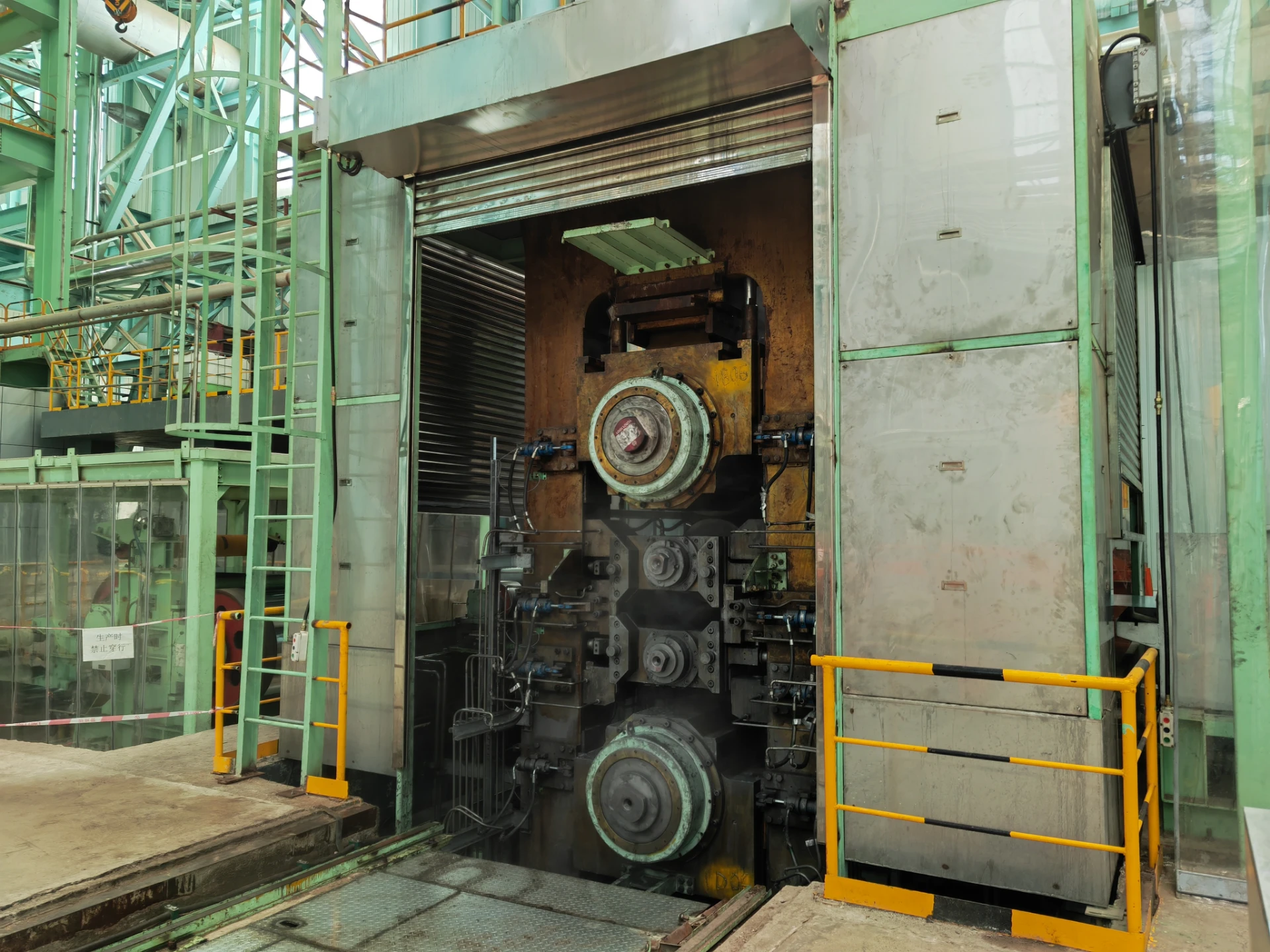 آلة التعبئة والتغليف الآليةأسواق الصناعات الثقيلة تتطلب أجهزة متخصصة لضمان أعلى مستويات الكفاءة والجودة . من بين هذه الأجهزة، يُعد المطحنة العالية Z مثالًا بارزًا على الابتكار في مجال تشكيل المعادن وتصنيع الصُلب. مع التطور التكنولوجي، تسهم المطاحن العالية في دفع عجلة الإنتاج وتقليل الفاقد، مما يضعها في مقدمة الخيارات للمصانع الكبرى. تُعتبر المطحنة العالية Z جهازًا معقدًا متعدد الأوجه مصممًا خصيصًا لتحسين عمليات التشكيل بالط
 -
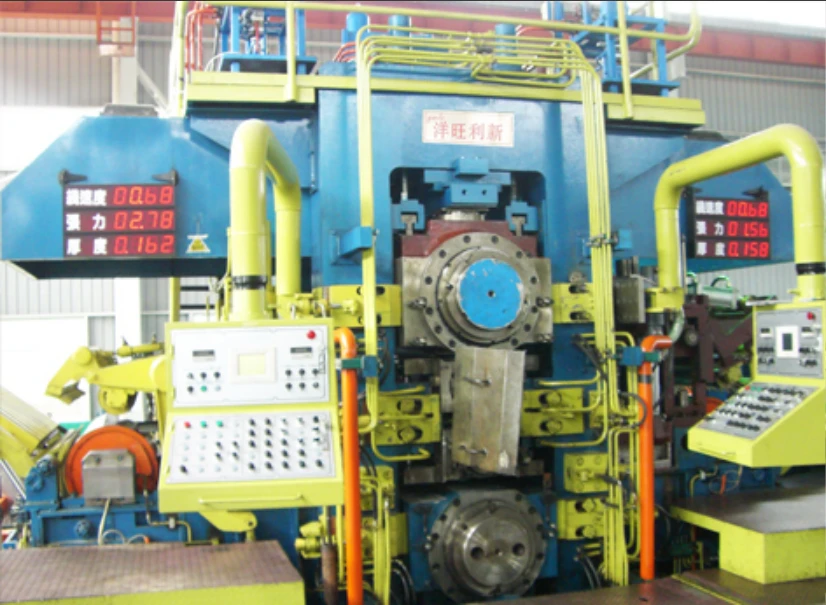 Specification for the Use of Temper Mill in the Production of Ship Structural SteelThe production of high-strength ship structural steel demands a meticulous balance between mechanical properties, dimensional accuracy, and surface quality. Among the critical processes involved, temper rolling plays a pivotal role in finalizing the characteristics of the steel before it is cut, shaped, and assembled into maritime vessels. A temper rolling mill , often referred to as a temper mill


